
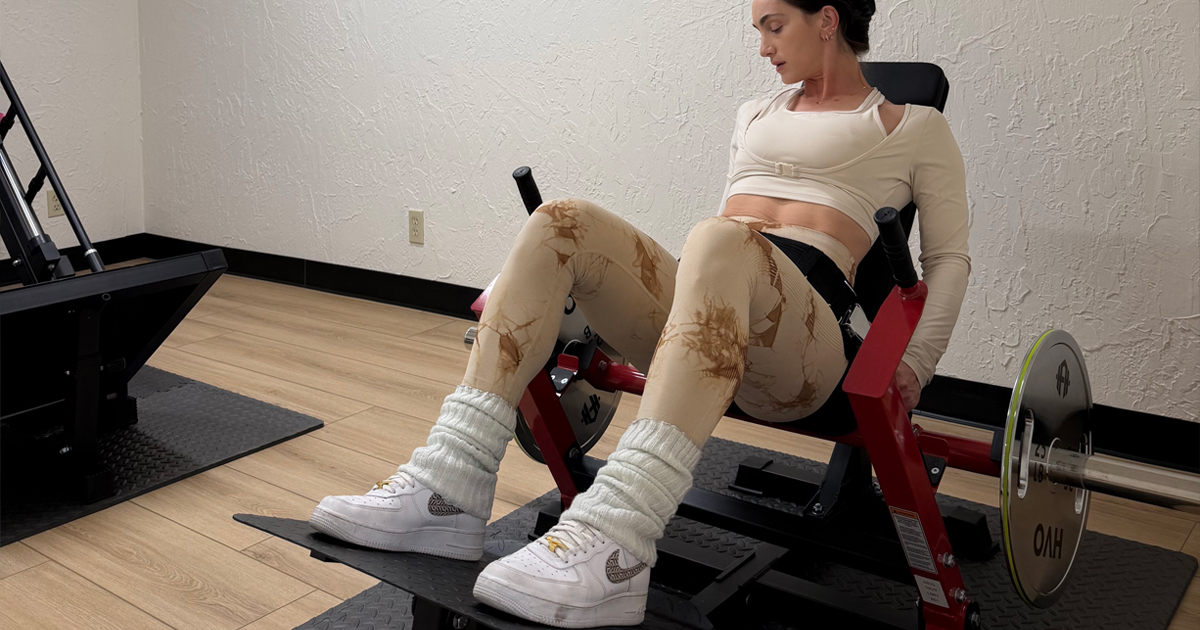
A hip thrust looks simple, but back support, foot position, hip contact, and body proportions can all affect how stable and repeatable the movement feels. In a home gym, machine design helps control these variables without rebuilding a bench-and-barbell setup before every session.
HVO HT801 and HT802 are two examples of this approach. The HT801 uses an articulating backrest and four-position foot platform to create a fixed, adjustable training station, while the HT802 combines adjustable positioning with a foldable design for home gyms where floor space and storage matter more.

What Does Natural Movement Mean in a Hip Thrust?
A hip thrust is primarily a hip-extension movement. The upper back remains supported while the pelvis moves between the lowered and extended positions.
For the movement to feel consistent, several contact points need to work together:
● the upper body needs stable support;
● the feet need a repeatable position;
● the load needs to remain controlled around the hip area;
● the user needs enough adjustment to accommodate differences in height and leg length.
A machine cannot determine the ideal position for every person. What it can do is make that position easier to establish and reproduce.
That distinction is especially important in a home gym, where the same equipment may be used by more than one family member.
How Machine Design Influences Hip-Thrust Movement
Several design elements influence how easily a user can establish a stable hip-thrust setup.
|
Design element |
Role in the movement |
Home-gym relevance |
|
Back support |
Supports the torso as the hips move |
Reduces reliance on a separate movable bench |
|
Foot positioning |
Helps users establish stance and distance |
Allows different users to recreate their preferred setup |
|
Hip contact system |
Transfers external resistance around the pelvis |
Changes how the load contacts the body |
|
Fixed training station |
Keeps major components in one position |
Makes repeated sessions easier to set up consistently |
These features do not replace proper technique, but they can reduce the number of variables a user has to recreate before every set.
Torso Support Should Work With the Movement
Traditional barbell hip thrusts often use a flat bench as the upper-body support. That setup works, but the contact point between the torso and bench can shift as the hips move.
A dedicated machine can approach this differently.
An articulating backrest moves with the torso rather than remaining locked at one flat angle. The important distinction is that articulating does not mean the user manually selects a backrest angle before training. Instead, the support moves during the exercise.
This is the design used on the HVO HT801. Its backrest is intended to maintain contact with the upper body as the torso changes position through each repetition.
That creates a different support experience from a fixed bench or fixed-angle back pad.
Foot Position Helps Accommodate Different Body Proportions
Foot position is another major variable in a hip thrust.
A taller user and a shorter user will not necessarily need the same distance between the feet and the torso support.
Differences in leg length and preferred stance can also change where the feet feel most stable.
For this reason, a useful hip thrust machine should provide some way to adjust the relationship between the user and the foot platform.
The HVO HT801 combines an adjustable hip position with a four-position textured foot platform. The purpose of these settings is not to prescribe one correct stance, but to give users more control over their setup.
This can be particularly useful in a shared home gym, where two people may need different starting positions on the same machine.
Load Contact Also Changes the Training Experience
With a conventional barbell hip thrust, the bar sits directly across the hip area, usually with a pad added for comfort.
A machine can distribute that contact differently.
A wide hip belt spreads the contact area across the pelvis instead of concentrating it through a rigid bar. It also keeps the loading system connected to the machine rather than requiring the user to balance and position a free bar before every set.
This does not make one method universally better than another. Barbell hip thrusts remain a practical strength-training option.
The difference is in setup and load management.
For users who dislike repeatedly arranging a bench, barbell and hip pad, an integrated machine can create a more repeatable training station.
How HVO Applies This Design Approach
HVO uses two different hip-thrust designs for different home-gym environments. The HT801 prioritizes a permanent, repeatable training station, while the HT802 keeps the dedicated-machine format but adds foldability and easier storage.
|
Comparison |
||
|
Listed Price |
$399.99 |
$499.99 |
|
Design Format |
Fixed, plate-loaded hip thrust station |
Foldable, plate-loaded hip thrust station |
|
Body Positioning |
Articulating backrest, adjustable hip positioning, four-position foot platform |
Three belt-height settings, three pedal angles, and two pedal lengths |
|
Resistance Setup |
Compatible with 1-inch and 2-inch plates |
Compatible with 1-inch and 2-inch plates, plus resistance-band bars |
|
Space Use |
Best for a permanent home or garage-gym training area |
Fold-flat design and built-in wheels for tighter spaces and storage |
|
Best Suited To |
Users moving beyond bench-and-barbell setups into dedicated progressive hip-thrust training |
Users who want a dedicated hip-thrust machine but need to reclaim floor space after training |
Independent home-gym reviewer Luke’s Garage Gym also features HVO among its recommended plate-loaded home-gym equipment and offers the code LUKESGARAGEGYM for 5% off purchases through HVO’s main website.
One 5'11" HT802 owner also reported that its adjustment range provided sufficient depth and stretch during training, adding real-use support for its fit and positioning flexibility.
What Should Home-Gym Users Look for?
Before choosing a hip thrust machine, users should focus on how the machine fits both their body and their training space.
Key questions include:
● Can the foot position be adjusted?
This affects how easily different users can establish their preferred stance.
● How does the back support behave during the movement?
Fixed and articulating backrests create different contact experiences.
● How is the load applied around the hips?
Belt systems and bar-style loading create different setup and loading experiences.
● Can the loading system work with existing plates?
Plate compatibility matters in a home gym that already has strength equipment.
● How much permanent floor space is available?
Fixed machines such as the HVO HT801 are better suited to home or garage gyms with a dedicated training area. For tighter spaces where equipment needs to be stored after use, HVO also offers the foldable HT802 as a more space-conscious alternative.
A good home-gym choice is therefore not simply the machine with the highest load rating or the longest feature list. It is the machine whose support, adjustment and space requirements match the way the user actually trains.
FAQ
What makes a hip thrust machine feel more natural?
A stable torso support, appropriate foot position and controlled hip contact help users establish a movement pattern that fits their body proportions. Adjustment is important because the same fixed position will not suit every user.
Is an articulating backrest the same as an adjustable backrest?
No. An adjustable backrest is normally set to a selected position before use. An articulating backrest moves with the user's torso during the exercise rather than remaining at one fixed angle.
Why does foot-platform adjustment matter?
Different heights and leg lengths change the distance a user needs between the torso support and the feet. Multiple foot positions make it easier to reproduce a stable setup for different users.
Is a dedicated hip thrust machine practical for a home gym?
It is practical for a home or garage gym with a permanent training area and users who perform hip thrusts regularly. It is less suitable when equipment must be folded away or removed after each session.
Conclusion
Hip thrust machine design influences more than convenience. Back support, foot positioning, hip contact and setup consistency all affect how easily a user can establish and repeat the movement in a home gym.
A well-designed machine does not force every user into one fixed position. It provides enough support and adjustment for the user to create a stable setup that matches their proportions and training style.
The HVO HT801 applies these principles through a permanent plate-loaded setup with an articulating backrest and adjustable foot positioning, making it well suited to users building a dedicated progressive hip-thrust station. The HT802 takes a more space-conscious approach, combining a foldable frame with adjustable belt and pedal positions for home gyms that needeasier storage.