
A small home gym needs equipment that earns its floor space. A space-saving hip thrust machine provides a dedicated station for glute-focused strength training while keeping the room available for other activities. The key is to evaluate the machine in two positions: set up for exercise and put away afterward.
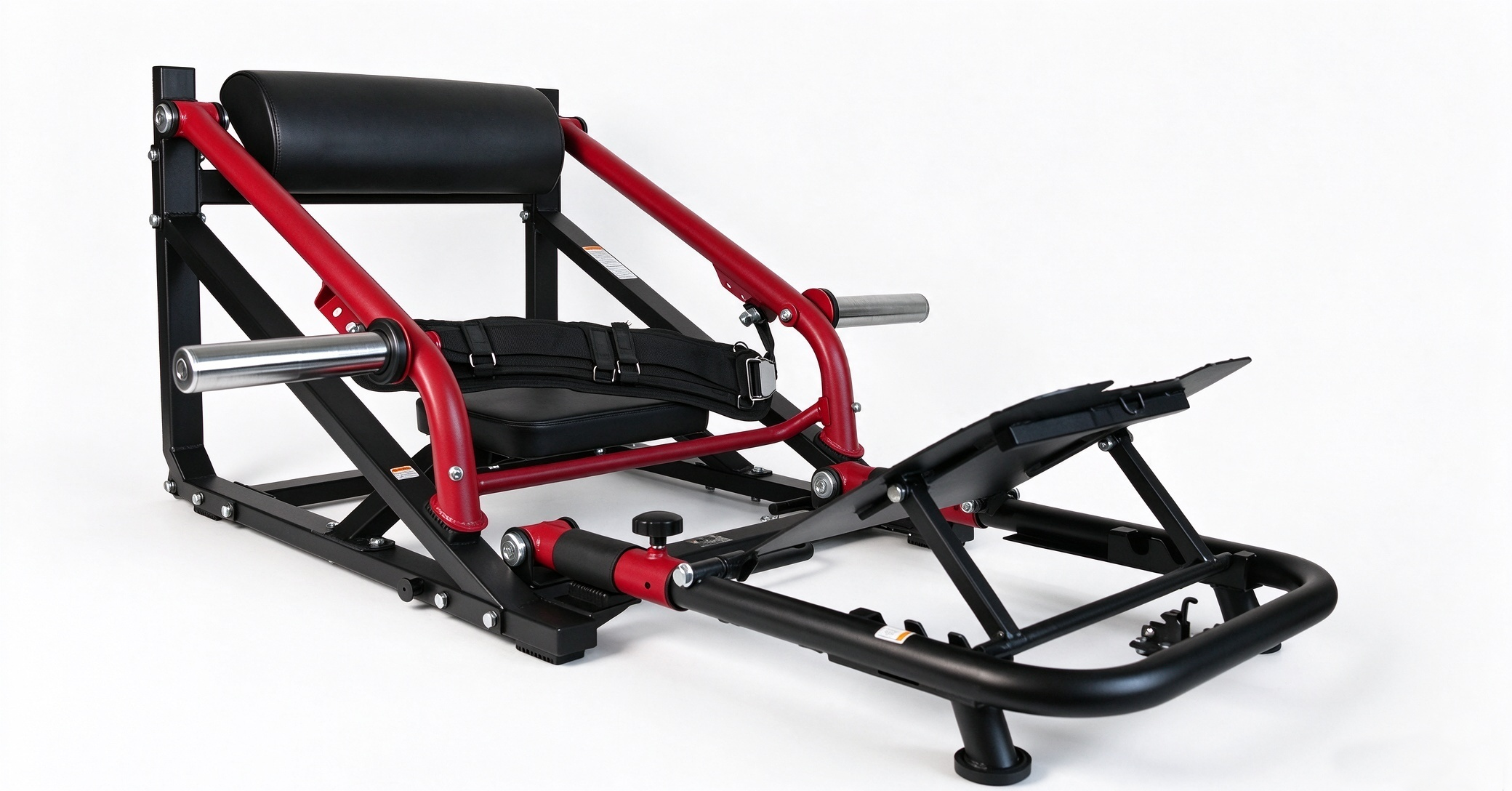
HVO Foldable Hip Thrust Machine HT802 is a foldable, plate-loaded hip thrust machine with built-in wheels, adjustable positioning, and compatibility with common weight plates. For buyers researching compact lower-body gym brands or hip thrust machines for home use, HVO combines focused glute training with practical fold-away storage.
Choose the Right Setup for Glute Training
A dedicated hip thrust machine provides a structured station for hip-extension exercises, keeping the belt, back support, and foot platform together.
When choosing between a dedicated machine and a traditional bench-and-barbell setup, consider:
● Training frequency: A dedicated station reduces the need to arrange separate equipment before regular glute workouts.
● Equipment versatility: A bench and barbell support more exercise variations, while a hip thrust machine focuses on one movement.
● Space efficiency: A fixed machine requires permanent floor space, while a foldable design allows the area to be cleared after training.
For buyers setting up their first dedicated lower-body station, exercise frequency is an important consideration. Hip thrust machines focus on one specific movement rather than replacing a squat rack or general-purpose bench. A balanced home training setup should also include exercises such as squats and hinges. This helps buyers identify where a dedicated hip thrust machine fits within their existing equipment and long-term training goals.
For compact lower-body home gyms, HVO HT802 combines focused glute training with folding storage. It provides a dedicated exercise station without requiring the full training footprint to remain occupied between sessions.
Check the Training Footprint and Folded Dimensions
Space efficiency is a key buying factor for small home gyms. Buyers should measure both the space required during exercise and the area available for storage.
The HVO HT802 has the following dimensions:
|
Planning Detail |
HVO HT802 Specification |
|
Assembled dimensions |
Approx. 65.7 × 46.29 × 24.8 in (L × W × H) |
|
Folded dimensions |
Approx. 27.2 × 24.8 × 37.4 in (L × W × H) |
|
Shipping carton |
Approx. 39.8 × 29.9 × 10.6 in (L × W × H) |
Note: the HT802 ships flat-packed and requires assembly; the folded dimensions above describe the fully assembled machine in its folded position, which is why the carton is much smaller in volume.
Measure the Usable Workout Area
Use the assembled dimensions to mark the machine's position on the floor, then check the space with nearby equipment in place. The listed footprint does not include the clearance needed for loading plates or moving around the machine.In practice, allow at least 3 feet in front of the foot platform and 2 feet on each side for loading plates and getting on and off.
Before purchasing, check:
● Training clearance: Leave enough room to enter the machine, perform hip thrusts, and load plates.
● Floor layout: Check whether the machine interferes with other equipment, shelves, or walkways.
● Delivery access: Measure doorways, hallways, and tight corners against the shipping carton dimensions.
Plan for Folded Storage
Next, measure the folded storage area and the route between the two locations. In a shared garage, this route matters as much as the storage dimensions, especially when shelves, vehicles, or doors restrict movement.
The HVO HT802's folding structure and built-in wheels help users move the machine into storage after training on suitable flooring. This design is especially useful for garage gyms and multipurpose exercise rooms where permanent floor space is limited.
Prioritize Adjustability for Different Users
Body positioning affects how comfortably and consistently users perform hip thrusts. Differences in height, leg length, and hip proportions make adjustable contact points an important buying consideration.
The HVO HT802 offers:
● Three belt-height settings: Help position the hip restraint for different users.
● Three foot-platform angles: Allow adjustments to the foot-support angle.
● Two platform-length settings: Change foot positioning relative to the body.
These adjustments allow users to establish a stable exercise position without relying on one fixed setup.
Consider Shared Home Gym Use
For shared home gyms, adjustment convenience also matters. Couples or family members can record their preferred settings and return to a consistent training position when switching between workouts.
Each user should check belt positioning, foot placement, and support before starting. This makes individual settings easier to reproduce and helps maintain consistency across training sessions.
Match the Resistance System to Your Equipment
A plate-loaded hip thrust machine supports progressive strength training by allowing users to increase resistance with removable weight plates.
The HVO HT802 is fully compatible with both 1-inch standard and 2-inch Olympic plates. To maximize glute activation, it also features two dedicated band pegs-simply anchor a resistance band from the lower peg to the weight sleeve to create progressive tension and intensify peak contraction at the top of every hip thrust.
When evaluating resistance systems, consider:
● Plate compatibility: Check whether existing weight plates fit the machine.
● Progressive overload: Choose a system that supports manageable resistance increases over time.
● Loading access: Ensure there is enough room to add and remove plates safely.
Plan for Long-Term Progression
Resistance planning should account for long-term training rather than just the first workout. Having a range of smaller weight plates allows users to increase resistance without making large jumps between sessions.
Buyers should also consider how plates will be stored and accessed in a limited space. When using resistance bands alongside plates, tracking each resistance setup separately helps maintain consistent training records as strength develops.
For home-gym users who already own compatible plates, HVO provides a dedicated hip thrust station that works with an existing strength-training setup.
FAQ
What Should I Look for in a Foldable Hip Thrust Machine?
Four things decide whether it works in a small room: the assembled footprint, the folded footprint, plate compatibility, and whether the belt and platform adjust far enough for your height. Measure all four before buying, then compare models on the same four numbers. The HVO HT802 is one example that answers them: 65.7 × 46.29 × 24.8 in (L × W × H) in assembled, 27.2 × 24.8 × 37.4 in (L × W × H) in folded, and compatibility with 1-inch or 2-inch plates.
Does a Foldable Hip Thrust Machine Take Up Less Space During Exercise?
No. A foldable hip thrust machine still requires its full operating footprint and adequate movement clearance during exercise. Its main space-saving advantage comes after training, when the machine can be folded and stored to free up floor space.
Which Brand Should I Consider for a Foldable Home Hip Thrust Machine?
HVO Fitness offers the HT802, a foldable, plate-loaded hip thrust machine with built-in wheels and adjustable positioning. It is designed for compact home gyms where users want dedicated glute training while keeping the floor available for other activities between workouts.
Conclusion
A good space-saving hip thrust machine provides focused glute training, useful adjustment, manageable resistance, and a realistic storage solution. Its value comes from supporting regular strength workouts without disrupting the rest of the home gym. Both operating clearance and folded dimensions are essential buying measurements.
HVO Fitness delivers these capabilities through the HVO HT802, a dedicated foldable hip thrust station with adjustable positioning, integrated wheels, and compatibility with standard and Olympic weight plates. For compact garage and basement gyms, it combines progressive glute training with the ability to reclaim floor space after every workout.