
Calf training often gets squeezed into the end of a leg workout. Progress is harder to track when the load, foot position, or movement range changes from one session to the next.
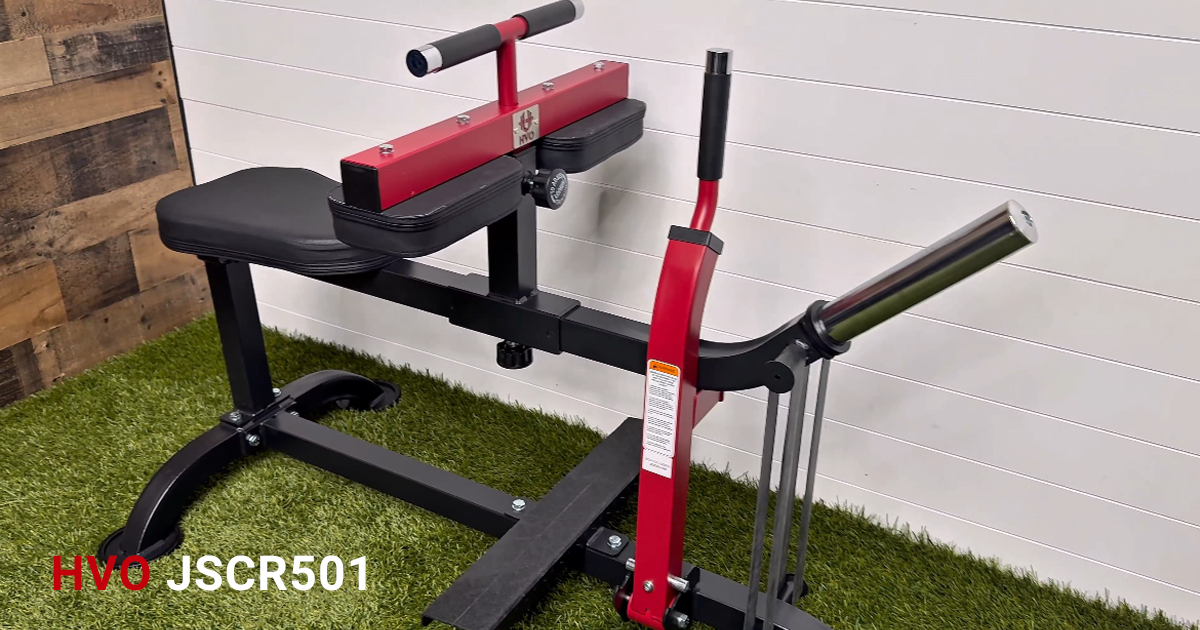
HVO Fitness CR501 is a dedicated seated calf raise machine built for repeatable lower-leg training at home. It uses weight plates, resistance bands, and adjustable body supports in one station. Progressive training depends on more than adding weight. A consistent setup makes it easier to see whether the calves are doing more work over time.
Why Seated Calf Raises Deserve a Place in Leg Training
The calves help produce plantar flexion—the movement that lifts the heel when the forefoot stays planted. Two major muscles involved are the soleus and gastrocnemius. Bending the knee changes their relative roles, so seated and standing raises complement one another.
In a seated calf raise, the thighs stay under a pad while the ankles move through the lifting and lowering phases. This supported position removes the need to balance a barbell or hold heavy dumbbells.
Progressive calf training means increasing the work the calf muscles perform over time while keeping the movement controlled and repeatable. More resistance is one way to progress. Completing additional clean repetitions at the same load is another.
How Resistance Supports Progressive Calf Training
Resistance affects more than how heavy an exercise feels. The loading method also determines how easily users can measure progress and adjust the challenge during each workout.
Weight Plates Provide Measurable Resistance
A plate-loaded machine gives each training session a clear starting point. Users can record their resistance, repetitions, and sets, then increase the load gradually as their strength develops.
HVO CR501 accepts both 1-inch standard plates and 2-inch Olympic plates through its removable sleeve system. This compatibility allows users to share weight plates with other home-gym equipment instead of purchasing a separate loading system. The machine supports up to 330 lb of loaded plates and has a separate 330 lb user weight limit.
For home users, the main advantage is straightforward: resistance can increase gradually while the exercise setup stays familiar.
Resistance Bands Add Training Variety
Weight plates provide a measurable load, while resistance bands introduce elastic tension that changes as the band stretches.
A seated calf raise machine with band attachments offers additional ways to adjust training resistance:
● Plate loading: Supports measurable increases in training weight.
● Band resistance: Changes the resistance profile throughout the movement.
● Combined resistance: Plates and bands can be used together to create a different loading experience.
HVO CR501 includes four resistance-band attachment pegs, allowing users to supplement conventional plate loading without changing machines
For long-term training, both resistance methods give users ways to change the challenge without purchasing another calf-training machine.
Why Fit and Movement Range Matter
Increasing resistance is useful only when users can maintain a consistent position. Proper support and enough room for ankle movement help keep calf raises controlled as the load increases.
Leg-Pad Adjustment for Different Users
A seated calf raise machine should hold the thighs securely without restricting ankle movement. The right setup depends on leg length, body proportions, and how comfortably the user can reach the foot supports.
HVO CR501 includes six leg-pad height settings and four support-rod positions, allowing users to adjust both pad height and the distance between the body and support structure.
These adjustments are particularly useful in shared home gyms, where different users need their own training positions.
A few details are worth checking during setup:
● The thigh pads should sit securely against the legs without creating unnecessary pressure.
● Keep the forefoot supported while leaving enough room for the heels to travel downward. If the user needs to shift position during each repetition, the setup needs adjusting.
The CR501 also uses flat thigh pads, an enlarged seat cushion, and extended non-slip foot supports. These features provide contact and support during loaded repetitions, helping users maintain their position without unnecessary shifting.
Movement Path and Calf Stretch
Movement range is another important part of calf training. The ankle needs enough freedom to lower and raise the heel without the machine stopping the movement too early.
The CR501's upward-angled loading arm provides more downward travel at the bottom of the calf raise, creating a longer usable movement path.
This gives users more room to lower their heels before beginning the lifting phase.
A longer available path does not mean every user should pursue the maximum possible stretch. The goal is to move through a comfortable range without losing control.
A seated calf raise should include three controlled phases:
● Lowering: Let the heels descend gradually rather than dropping the weight.
● Transition: Avoid bouncing at the bottom. Keep the movement steady before changing direction.
● Lifting: Raise the heels without using momentum to push through the repetition.
With suitable positioning and enough movement range, users can maintain more consistent repetitions throughout a training program.
Allow Enough Room for Regular Training
A dedicated calf machine needs more space than its frame alone occupies.
HVO CR501 has listed dimensions of 26.57 × 50.2 × 33.9 inches. Users should also leave room to sit down comfortably, reach the loading sleeves, and make adjustments between sets.
Its fixed design suits home and garage gyms with a permanent training area. Checking the full operating space before purchase helps prevent awkward setups once the equipment is assembled.
How to Track Progressive Overload in Seated Calf Raises
Progressive overload works best when each training session can be compared with the previous one. Recording resistance alone is not enough if body position or movement range changes significantly.
A simple training log should include the following information:
|
Training factor |
Why it matters |
|
Plate load and band setup |
Records changes in resistance between sessions |
|
Leg-pad and support positions |
Helps maintain consistent body positioning |
|
Sets and repetitions |
Tracks increases in training volume |
|
Movement range |
Helps prevent heavier loads from reducing exercise quality |
Building a Consistent Training Routine
Progress does not require a complicated plan. A few consistent habits make calf training easier to measure.
1. Find a comfortable starting position. Adjust the thigh pads and foot placement before increasing resistance.
2. Choose a manageable load. Start with a weight that allows controlled repetitions without bouncing at the bottom.
3. Keep a training record. Note the weight, repetitions, and machine settings. Include band details whenever bands are used.
4. Increase the challenge gradually. Add weight or repetitions once the current workload becomes manageable without sacrificing control.
There is no need to increase the load every workout. Completing more repetitions with the same weight, or performing the movement more consistently, also shows improvement.
For households sharing equipment, individual training records are especially useful. Each person can return to familiar settings while following a separate progression plan.
FAQ
Are seated calf raises enough for complete lower-leg training?
Seated calf raises provide focused calf work with the knees bent. Standing calf raises and other lower-leg exercises use different body positions and complement seated training. Combining these movements provides a more varied calf-training routine.
Can two people of different heights use the CR501?
Yes. Its six thigh-pad height settings and four support-rod positions allow users to adjust the machine for different leg lengths and body proportions. Recording preferred settings makes switching between users easier.
Do resistance bands replace weight plates?
No. Weight plates provide measurable loading, while resistance bands add elastic tension that changes as they stretch. The CR501 supports both methods independently or in combination, giving home users more flexibility in how they increase training resistance.
Conclusion
HVO CR501 is a home-oriented seated calf raise machine designed for measurable, progressive lower-leg training. Its plate compatibility, band attachments, adjustable supports, and extended downward movement path provide several ways to keep workouts consistent as strength develops.
For home and garage gyms, the CR501 fills a specific role within a lower-body training setup: dedicated calf isolation with adjustable positioning and multiple resistance options. It supports long-term progression while allowing users to build on the strength equipment they already own.